The Grinch, Santa, and My Toddler: Are My Parenting Tricks Working… or Am I Missing the Bigger Lesson? 😂
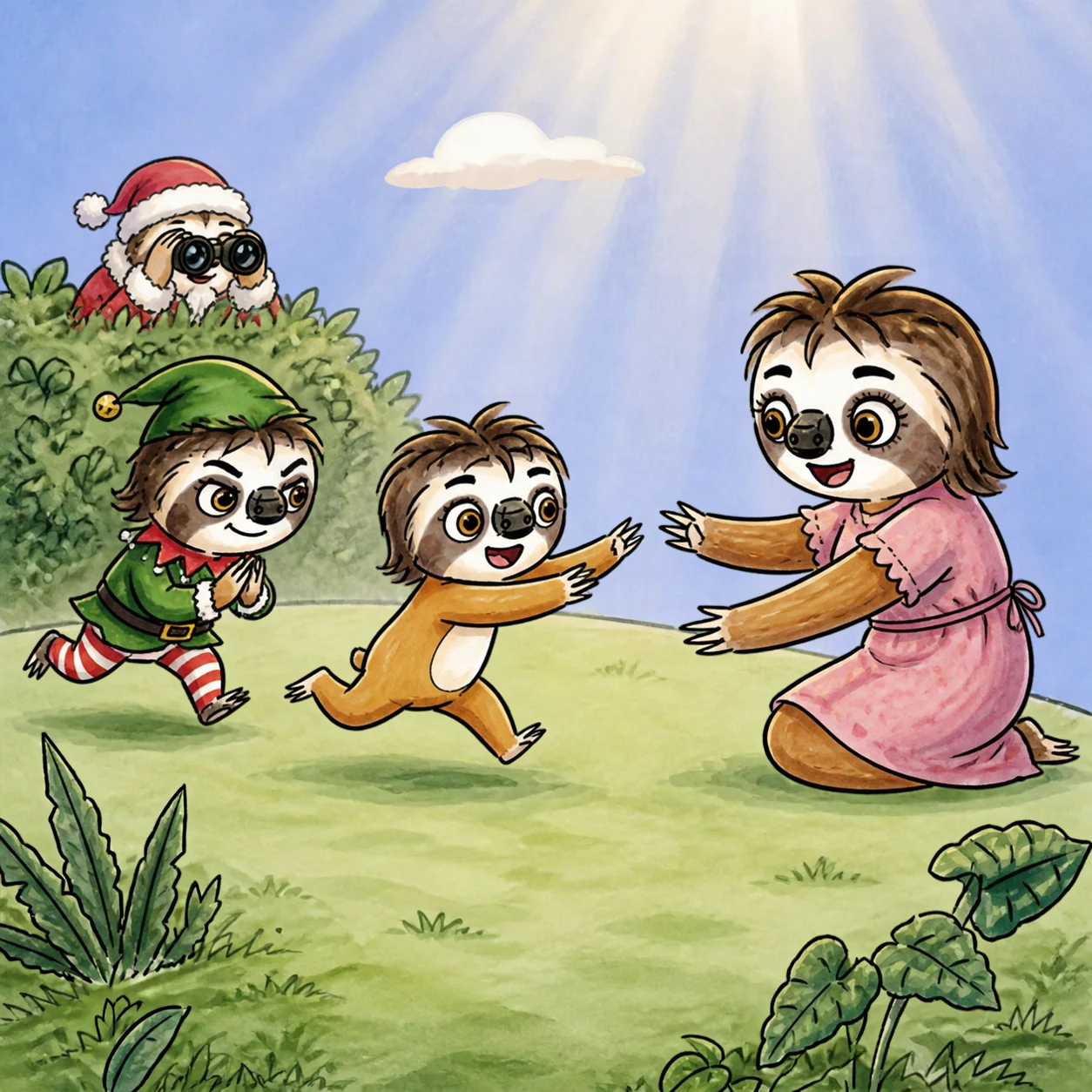
Have you ever said something to your toddler and immediately thought, “Well, that probably wasn't in the parenting books”?Welcome to my world. There was a time when I could get Levi to run straight back to me by yelling, "AAAAHHHH! THE GRINCH!” And it worked. He would turn around and come running toward me as if his little life depended on it. Meanwhile, I was standing there thinking, Well, that was effective. More recently, I've upgraded my parenting strategy to: “I'm going to call Santa!” Apparently, Santa has become my imaginary toddler safety supervisor. Somewhere between the North Pole and my neighborhood, he's been assigned to keep a very busy three-year-old in check. I'm sure some parents reading this are laughing because they've been there. Others might be giving me the same look I've received when I've used either one of these tactics. And honestly? I get it. But before anyone calls the parenting police, let me explain.
It wasn't about being mean. It was about keeping him safe.
Levi is fast. Really fast. There are moments when we're outside, walking somewhere, or simply trying to get from one place to another, and he decides listening to Mom is optional. I call him. He keeps going. I call him again. Nothing. I start walking faster. He starts running faster. And suddenly, I'm in a full-body workout I didn't schedule. Sometimes I can't physically keep up with him, and I need him to turn around before he gets too far away or approaches something unsafe. That's where the Grinch and Santa entered the picture. My intention was never to make Levi feel bad or frighten him. I was trying to get his attention quickly because I needed him close enough to keep him safe. And yes, it worked in the moment. But here's the part I've been thinking about…Just because something gets an immediate response doesn't necessarily mean it's teaching the skill I want my child to learn. That's an important distinction.
The bigger question: What happens when I'm not right there?
This is where my perspective started to change. Of course, I want Levi to listen when I call him. I want him to stop when I say freeze. I want him to stay close in a parking lot and understand that streets, driveways, and unfamiliar places aren't places to run off and explore. But I also want him to begin learning why those rules matter. I don't want him to only respond because Mom says the Grinch is coming or because Santa might hear about his behavior. I want him to start recognizing familiar safety rules and understanding what to do, even when I'm not the person giving the reminder. Now, let's be realistic. He's three. I'm not expecting him to independently assess traffic hazards, make perfect decisions, or remember every safety rule when something exciting catches his attention. Young children still need close adult supervision. But we can begin building the foundation for safer habits long before they're old enough to navigate the world independently. I want him to learn that when we are near a road, we hold hands. When we get out of the car, we wait for Mom. When I say freeze, we stop our feet and wait for instructions. Those are skills I want him to practice, not just rules I want him to obey.
The safety conversation starts BEFORE we get there.
One thing I've been working on is setting expectations before we arrive somewhere, rather than waiting until Levi is already excited and running in six different directions. Think about getting out of the car in a busy parking lot. It's tempting to open the door, start gathering everything, and then immediately begin saying, “Don't run! Come back! Watch out!” But by then, we're already reacting. Instead, I can prepare him before we even open the door. Something as simple as: “Okay, Levi, we're going to the store. When we get out of the car, you wait for Mommy. We hold hands in the parking lot. Cars are moving, and we need to stay together.” Then, before opening the door, I can remind him: “What's our parking lot rule?” “Hold Mommy's hand!” We can do the same thing before going to a park, walking into a crowded event, or visiting somewhere unfamiliar. A few simple expectations might be:
- Parking lot: We hold hands and stay next to our grown-up.
- Walking somewhere: We stay close enough for our grown-up to reach us.
- At the park: We tell Mom before going somewhere else.
- When Mom says FREEZE: Stop your feet and wait.
- When getting out of the car: Wait for Mom.
We don't need to give toddlers a ten-minute safety lecture. A couple of simple, repeatable expectations are enough to start. And the best part? We can practice these things when we're not in a hurry.
So, what am I trying instead?
I'm changing the game. Literally. We love playing Freeze Dance Party at our house. When the music stops, everyone freezes. So I've started using that familiar game to practice a safety word: FREEZE! We're also practicing: Red light, green light!
- Green light: Keep going!
- Red light: Stop your feet!
- Freeze: Stop your body and wait for Mom!
We're practicing these cues during play, when we're not in a stressful situation, and I'm not already chasing him down the sidewalk. I'm also trying to be more specific about what I want him to do:
- “Come back to Mommy.”
- “Hold my hand.”
- “Stay close to me.”
- “Stop your feet and wait.”
And when he does it, I make sure to tell him exactly what he did well: “I love how you stopped when I said freeze!”Because I want him to understand what I'm asking, not just react to a scary-sounding possibility. Of course, a game is practice, not a guarantee. A three-year-old is still learning impulse control and can't be expected to respond perfectly every time. When we're near roads, parking lots, water, or other hazards, I still need to stay close enough to physically intervene, hold his hand, or use an appropriate safety restraint. The goal isn't to replace supervision with a magic word. It's to build another tool while keeping him safe.
What does the research say?
This is where my physical therapist brain kicks in. The CDC's Essentials for Parenting Toddlers and Preschoolers offers some really practical guidance that supports what I've been trying to put into practice. A few things stood out to me: 1. Give clear directions. The CDC recommends telling children what you want them to do rather than only telling them what not to do. Instead of repeatedly saying “Don't run away,” we can say, “Stay close to Mommy” or “Hold my hand.” 2. Practice before you need the skill. Children need opportunities to learn and practice following directions. We can't expect them to master a new response during a stressful or potentially dangerous moment. That's why practicing FREEZE during a dance party or playing red light, green light can be useful. 3. Make expectations predictable. The CDC explains that consistent family rules help children understand what is expected of them. Simple rules, repeated reminders, and consistency among caregivers help children learn. 4. Recognize the behavior we want to see. Specific praise helps children understand what they did right. Instead of simply saying “Good job,” I can say, “You stopped your feet when I said freeze. That helped keep you safe!” These strategies don't guarantee that a toddler will always listen or recognize danger. They help us teach and reinforce the behaviors we want children to develop. And that's what I'm working toward.
Parents get to change their story, too.
Here's something I keep coming back to: parenting is a constant process of learning and adjusting. Sometimes we try something because it works in the moment. Sometimes we realize later that there's a better way to approach it. And sometimes we have to laugh at ourselves along the way. I don't want to be the parent who feels like every imperfect moment is a failure. I want to be the parent who can recognize when something isn't quite aligned with the lessons I want to teach and make a change. That doesn't mean I have to shame the version of myself who yelled “THE GRINCH!” across the yard. It just means I can write a new chapter. That actually brings me back to why I wrote The Sad Sloth and How He Changed His Story. Sam's story is about recognizing we have opportunities to change how we respond to what happens around us. I think parents need that reminder, too. We don't have to get every moment right to keep learning, growing, and changing our story. So, if you see me outside yelling “FREEZE!” instead of announcing that the Grinch is coming, know we're working on a new family safety strategy. Although I can't promise Santa won't make another appearance around Christmas. What about you? What's something you've said to your child in the heat of the moment that worked… but later made you stop and think, “Maybe there's a better way”? Please tell me I'm not the only one! 😂
Research and resources
- Centers for Disease Control and Prevention (CDC). Tips for Giving Directions – Essentials for Parenting Toddlers.
https://www.cdc.gov/parenting-toddlers/communication/giving-directions.html - Centers for Disease Control and Prevention (CDC). Tips for Creating Rules – Essentials for Parenting Toddlers.
https://www.cdc.gov/parenting-toddlers/structure-rules/rules.html - Centers for Disease Control and Prevention (CDC). Tips for Using Praise and Rewards – Essentials for Parenting Toddlers.
https://www.cdc.gov/parenting-toddlers/responding-to-behavior/using-rewards.html
These resources provide evidence-informed guidance on clear directions, consistent expectations, practice, and positive reinforcement.
Check out my children's book: The Sad Sloth and How He Changed His Story here.