Should We Always Make Our Kids Share? Teaching Children Boundaries, Turn-Taking, and Kindness
You've been working hard with your child on learning to share, take turns, use their words, and ask before taking something that belongs to someone else. You've practiced phrases like, "Can I have a turn when you're done?" and "Can I play with you?"Then you're at the playground, a playdate, or a children's activity, and another child walks right up and grabs a toy out of your child's hands. Your child looks at you, unsure of what to do. Maybe they look disappointed, frustrated, or even a little hurt. And then comes the moment many parents know all too well: Do you step in? Do you tell your child to share? Do you ask the other child to give it back? Or do you simply encourage your child to find something else to play with? It's an awkward situation, especially when the other child's parent is nearby and not saying anything. But it brings up an important question: Are we teaching our children to share, or are we accidentally teaching them that being kind means giving up their own boundaries? I absolutely believe in teaching children to be kind, considerate, and willing to share. But I also believe we need to teach them that their feelings and boundaries matter, too.
1. Teach Children to Ask Before Taking
One thing I've been working on with my youngest is teaching him to ask before taking something another child is using. Instead of simply reaching for a toy, we practice phrases like:
- "Are you playing with this one too?"
- "Can I play with you?"
- "Can I have a turn when you're done?"
These simple phrases help children practice communication and recognize that other people have preferences and boundaries. Of course, these skills take time. Young children are still developing impulse control and the ability to consider someone else's perspective. We can't expect them to master these skills overnight, but we can consistently model and encourage them.
2. What If Another Child Takes the Toy Your Child Is Using?
This is where things can get a little more complicated. Imagine your child is happily playing with a toy. Another child comes over, takes it, and starts playing with it. What do we often do? We tell our child to share. Sometimes sharing is absolutely appropriate. Maybe there are plenty of toys available, or the children could play together. Cooperative play is wonderful, and we should encourage it when it makes sense. But what if your child was actively playing with that particular toy? Why should they automatically be expected to give it up? We can calmly step in and say: "Levi was playing with that. You can have a turn when he is done." If the toy isn't returned, it may be appropriate to ask the other caregiver to help their child return it. This isn't about punishing another child or making them feel bad. It's about recognizing that the child who was playing with the toy shouldn't automatically have to give it up.
3. But What If Speaking Up Feels Uncomfortable?
I think this is one of the hardest parts for parents. It can feel awkward to correct another child, especially when their parent is standing right there. We may worry about offending someone, embarrassing their child, or creating an uncomfortable interaction. Sometimes it's easier to say, "Just share," to our own child and move on rather than risk a disagreement with another parent. But advocating for our child isn't the same as being confrontational. You aren't being rude by asking someone to respect a boundary you've been teaching your child to respect. You don't have to criticize another parent's parenting or make a big deal out of the situation. You can simply address what is happening in a calm, respectful way. Here are a few ways to approach it: If another child takes a toy your child is using: "Hi, he was still playing with that. Could you help him give it back? "If you speak directly to the child: "He isn't finished yet. You can play with it when he is done (while putting your hand out to get the toy)." If the toy hasn't been returned and the other parent may not have noticed what happened: "Hi, I think they both want to play with the same thing! Levi was still using that one, so we're going to finish our turn first. Could you help him give it back?" The goal isn't to embarrass anyone. It's to communicate calmly and allow the other parent to help. And sometimes, the other parent may not respond the way we hope. We can't control how someone else reacts, but we can control how we respond. We can remain respectful while still standing by what we are teaching our children. If we want our children to learn to use their voices, we have to be willing to model that for them, even when it's uncomfortable.
4. Sharing Doesn't Always Mean Giving Something Up
It's important to look at the situation rather than apply one rule to every interaction. For example, if there are two toy trucks and another child wants to play, maybe they can each have one and build something together. They might even turn it into a construction site or create a game. That is a great opportunity to encourage cooperative play. But sometimes a child is using a specific toy as part of something they are building or imagining. Taking that toy may interrupt the entire activity. We should teach children that sharing can look different depending on the situation. Sometimes it means playing together; sometimes it means taking turns; and sometimes it means allowing someone to finish what they're doing before asking for a turn.
5. Remember That the Other Child Is Learning Too
It's important to remember that the child taking the toy is learning these skills, too. Young children are still developing impulse control, communication, and perspective-taking. They may see something they want and reach for it before thinking about how it affects someone else. That doesn't make them bad children. It gives us an opportunity to teach. We can guide the child who took the toy while also supporting the child whose toy was taken. We don't have to shame one child to validate the other. We can also remind our own children that another child may still be learning how to ask, wait, and take turns.
6. Our Children Need to Learn to Wait, Too
Of course, these expectations go both ways. If another child is using a toy, we need to teach our children to wait. We can encourage them to ask for a turn, find something else to explore while they wait, or see whether the other child would like to play together. Sometimes the answer will be no, and that's okay. Learning to wait and manage disappointment is part of developing emotional regulation. The goal isn't to make sure our child always gets what they want. It's to help them navigate disappointment while respecting someone else's turn.
7. Kindness and Boundaries Can Exist Together
We want to raise children who are kind, thoughtful, and willing to share. But we also want them to understand that they are allowed to have boundaries. These everyday interactions help children practice important life skills:
- Communicating their needs.
- Asking for permission.
- Respecting other people's boundaries.
- Taking turns and cooperating.
- Waiting and managing disappointment.
- Advocating for themselves.
Being a good friend doesn't mean always giving in. Being kind doesn't mean never saying no. And teaching a child to stand up for themselves doesn't mean teaching them to be unkind to others. Sometimes the most important lesson isn't simply learning to share. It's learning how to navigate the situation with respect for everyone involved.
Meet Sam!
Everyday moments like these give us opportunities to talk with children about feelings, choices, and how to work through challenging situations. In The Sad Sloth and How He Changed His Story, Sam explores emotions and discovers ways to work through the feelings he experiences. His story offers families a starting point for conversations about big feelings and the tools children can use to navigate them. If you're looking for a story to share with your little one and open the door to conversations about emotions, meet Sam! The Sad Sloth and How He Changed His Story is available in paperback and Kindle on Amazon.
About the Author
Marlene Mireles, PT, DPT, is a licensed physical therapist, children's book author, and founder of Whole Motion Therapy and Wellness, PLLC. With experience supporting children and families through developmental challenges, early intervention, and parent coaching, Marlene is passionate about helping children build the skills they need to grow, learn, and gain confidence. She is the author of The Sad Sloth and How He Changed His Story, a children's book created to encourage conversations about emotions and navigating big feelings. Learn more at Whole Motion Therapy
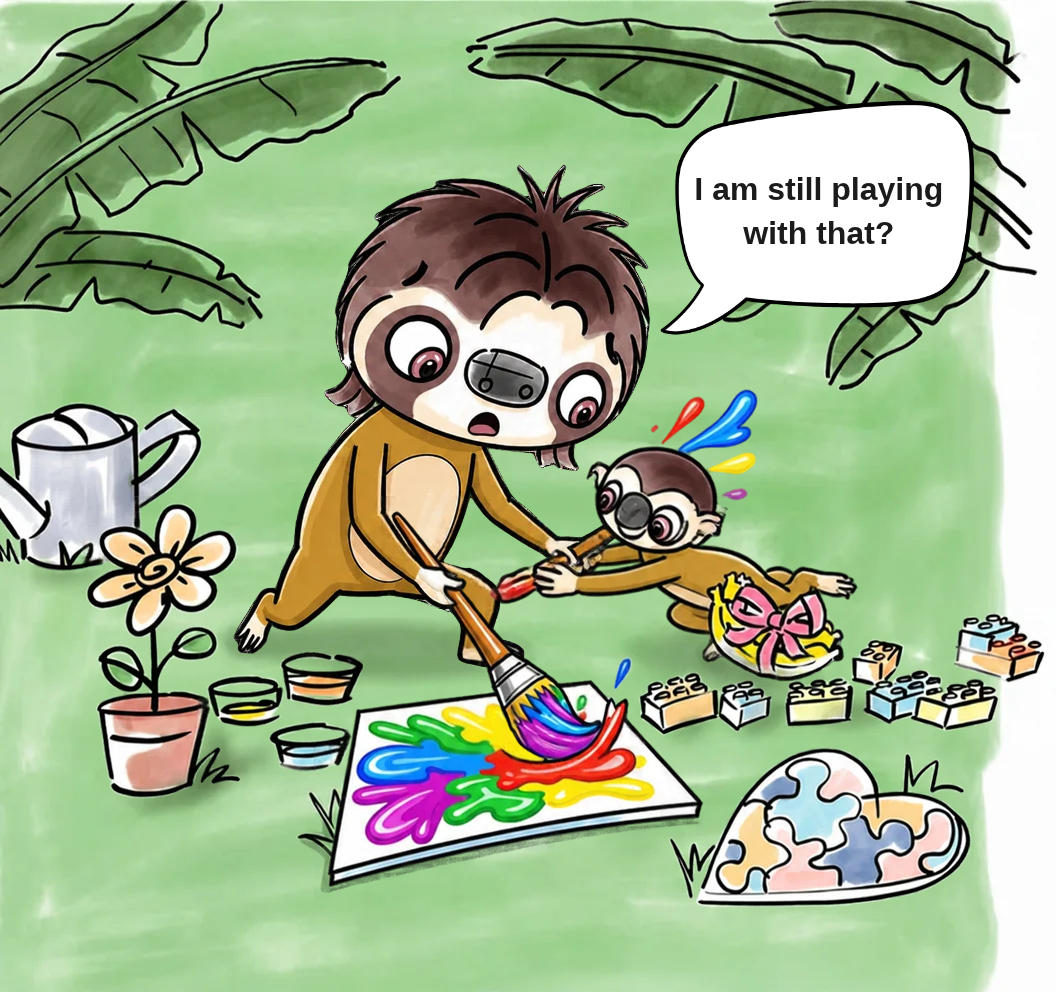
Being kind doesn't mean giving up your boundaries. Sometimes children need help finding the words to speak up.The Sad Sloth and How He Changed His Story. Find Sam on Amazon