How to Help Young Children Navigate Big Emotions: Building Emotional Awareness and Self-Regulation
By: Marlene Mireles PT, DPT
Have you ever watched a child go from completely happy to overwhelmed in a matter of seconds? Maybe a toy doesn’t work the way they expected. Someone says no. It’s time to leave the playground. Or a seemingly small disappointment turns into a much bigger emotional reaction. For young children, these moments can feel enormous. As adults, we often know what to do when we’re frustrated, disappointed, or overwhelmed. But children are still learning how to recognize those feelings, communicate what is happening inside them, and find ways to manage their reactions. Emotional regulation is not something children are simply born knowing how to do. It is a skill that develops over time through relationships, experiences, practice, and support. The good news? There are many everyday opportunities to help children build these skills.
1. Start by helping children recognize their emotions Before children can learn to manage their emotions, they need opportunities to recognize and identify them.A young child may not know how to explain that they feel frustrated, disappointed, nervous, or overwhelmed. Instead, those feelings may come out through crying, yelling, withdrawing, or other behaviors. Help children begin connecting words to feelings. Try asking:
- “Are you feeling frustrated?”
- “Did that make you feel disappointed?”
- “What do you think your body is telling you?”
- “Can you show me what that feeling looks like?”
You can also use books, pictures, facial expressions, and pretend play to explore different emotions. The goal isn’t to make children label every feeling perfectly. It’s to give them a growing emotional vocabulary so they have more ways to communicate what they experience.
2. Connect before you correct When a child is overwhelmed, jumping immediately into teaching, correcting, or reasoning may not be effective. Start with connection. Get down to the child’s level when appropriate, use a calm voice, and acknowledge what you observe. For example: “I can see that you’re really frustrated. You worked hard on that tower, and it fell down.”Acknowledging an emotion does not mean agreeing with every behavior. Children can be supported in their feelings while still learning appropriate boundaries.You might say:“It’s okay to feel frustrated. It’s not okay to throw the blocks. Let’s figure out what we can do next.”This approach helps children learn that emotions can be communicated and worked through without hurting themselves or others. 3. Practice self-regulation tools when children are calm One of the biggest mistakes we can make is waiting until a child is already overwhelmed to introduce a coping strategy. Children benefit from practicing tools during everyday moments when they are calm and available to learn. Some ideas include: Breathing activities: Try pretending to blow bubbles, smell a flower, or slowly blow out birthday candles. Movement: Walking, dancing, stretching, jumping, or playing outside can provide opportunities for children to move their bodies and shift their attention. Sensory experiences: Depending on the child, activities involving play dough, water, textured materials, or other familiar sensory experiences may help them feel more comfortable and engaged. Creative expression: Drawing, painting, music, and pretend play can give children additional ways to express experiences they may not yet have words for. Quiet spaces: Create a comfortable place where children can take a break, regroup, or spend a few moments with a calming activity.Not every strategy works for every child. Pay attention to how your child responds and explore what feels helpful rather than assuming one technique will work for everyone.
4. Use play and everyday experiences to teach emotional skills Children learn through doing, exploring, observing, and interacting with the people around them.You don’t need a formal lesson or a complicated curriculum to introduce social-emotional learning. Try:
- Acting out different emotions with stuffed animals or puppets.
- Reading a story and asking how a character might be feeling.
- Playing a game where everyone makes different facial expressions.
- Talking about what a character could do when something doesn’t go as planned.
- Practicing what to say when a child needs help, space, or a break.
These experiences create opportunities to talk about feelings and explore possible responses in a low-pressure environment.And remember, children learn by watching us, too. When adults model taking a breath, asking for help, or stepping away to regroup, children get to see these skills in action.
5. Remember that emotional regulation takes practice We sometimes expect children to use a strategy successfully just because we’ve explained it once. But emotional regulation develops through repetition and experience. A child may use a breathing strategy one day and struggle to remember it the next. They may need reminders, encouragement, and adult support many times before they begin using strategies more independently. That doesn’t mean they’re failing.It means they’re learning. Celebrate small steps:
- Using a word instead of immediately reacting.
- Asking an adult for help.
- Trying a calming strategy.
- Recognizing when they need a break.
- Returning to an activity after becoming frustrated.
These moments matter.
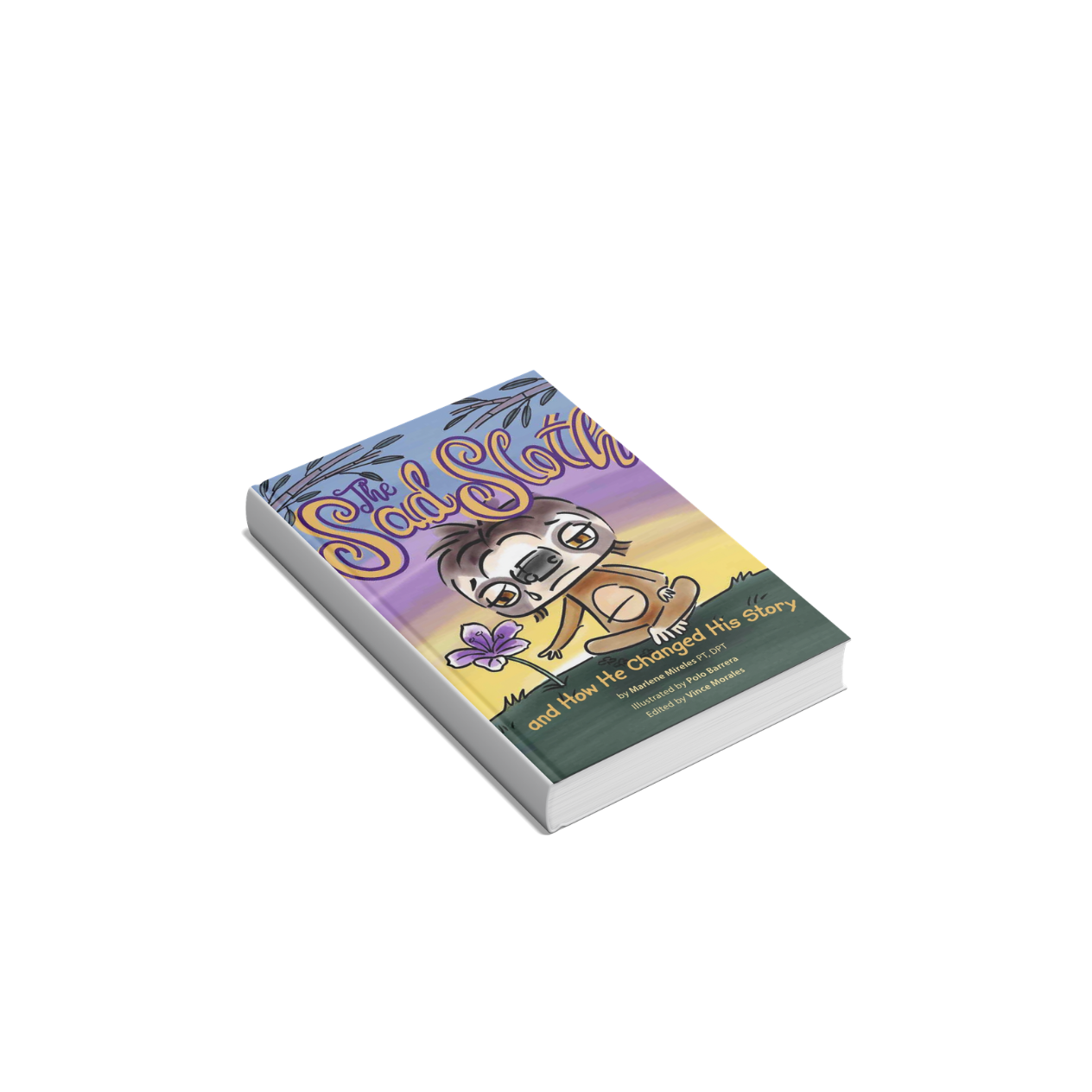
Why stories can be powerful tools for social-emotional learning One of my favorite ways to introduce conversations about emotions is through storytelling. Books give children an opportunity to explore situations through characters. They can think about what a character might be feeling, what challenges they are facing, and what choices might help. Sometimes children find it easier to talk about a character’s feelings before talking about their own. That is one of the reasons I wrote The Sad Sloth and How He Changed His Story. Through Sam’s journey, children and the adults reading with them can explore big emotions, personal choices, and simple tools for navigating feelings.The story is designed to be a starting point for conversations between children and the people who care for and teach them. It also includes activities that encourage children and adults to continue exploring the ideas together. My hope is that Sam becomes more than a character in a book. I hope he helps families and educators create opportunities to talk, connect, and grow.
Helping children grow, one conversation at a time Children don’t need us to have every answer. They need supportive adults who are willing to listen, model healthy strategies, create opportunities to practice, and meet them where they are. Emotional awareness and self-regulation are skills that develop over time. Small moments of connection, play, movement, and conversation can become meaningful parts of that journey. The next time a big emotion shows up, remember that it can also be an opportunity to learn. And sometimes, all it takes to begin that conversation is a story.
If you’re looking for a children’s book to help introduce conversations about big feelings and emotional awareness, I invite you to meet Sam in The Sad Sloth and How He Changed His Story.Written by Marlene Mireles, PT, DPT Published by Whole Motion Therapy and Wellness, PLLC. Find Sam’s story on Amazon at https://link.amazon/B0c6AbVko. Learn about Whole Motion Therapy and Wellness at wholemotiontherapy.com.
About the Author: Marlene Mireles, PT, DPT is a licensed physical therapist, children’s book author, and founder of Whole Motion Therapy and Wellness, PLLC. With experience supporting children and families through developmental challenges, early intervention, and parent coaching, Marlene is passionate about helping children build skills that support their growth, confidence, and independence.
Through her work as a physical therapist and author of The Sad Sloth and How He Changed His Story, Marlene hopes to give parents, educators, and caregivers practical ways to encourage connection, movement, emotional awareness, and lifelong learning.